 In the coming weeks and months, if you are in contact with elderly friends or relatives, ask them about times of crisis they have endured and how they dealt with the situation. Many of our living elders came through WW2, a time when entire streets were destroyed in a night, with death arriving regularly and violently. Food was strictly rationed and there was no clear picture about how long the war would last, or if the forces of Nazism would take over our country and the entire world.
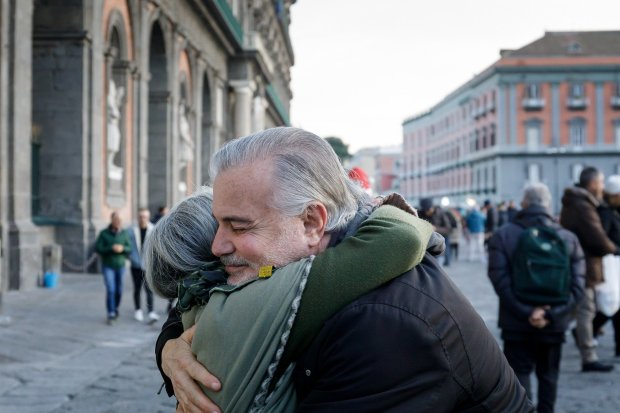
We have gained amazing material comforts in recent decades, but increasingly this crisis is waking us up to what we have lost. We have lost the simple connectedness, whereby communities thrive through myriad acts of helping, which should be routine but now stand out as selfless acts of kindness. Equally tragically, we no longer treasure our elders. (photo: Gennaro Leonardi)
In every generation of human history, the role of elders was to pass on the wisdom they had gained through a lifetime of experience. They were there to counsel and advise, putting a brake on rash decision making. But in the prosperous North of the planet, that role has all but vanished. Endlessly fascinated by the new, we lose the bonds of continuity with earlier generations that can do so much to ground us.
But it’s not just our wellbeing that is impacted. I feel that the need to pass on their stories and experience is an innate part of elderly wellbeing. To be valued and have status within society is something that has been taken away from them. The world has changed so fast and is now so technologically driven that old people often live out their final years ignored and sidelined.
In this crisis, they need to know that they have a role. Especially as many elders will be experiencing even more isolation than usual, contacts with the old can include eliciting memories and seeking advice. These people have endured privations and threats that we can’t imagine; they could hold the wisdom that will see us through. As we rekindle, through necessity, the remnants of our communities, they can show us how it was done before.


 Tom George
Reblogged this on TOM GEORGE ARTS.