I write this as I emerge from a bout of flu that has kept me horizontal for a week. This attack has been milder than last year’s instalment – no projectile vomiting or fainting on the bog this time – and I suppose from a dramatic perspective you could say it’s been a bit of a disappointment. But then, what can you expect from yet another sequel.
When it comes to mainstream entertainment movies it is rare to find a genuinely great film that isn’t conceived as a long-running franchise designed to milk the cash out of you on a long-term basis.
Hollywood has locked itself into a particular business model, desperately fracking the fuck out of any decent idea in order to keep the dollars coming in, all the while undermining the integrity of the original story.
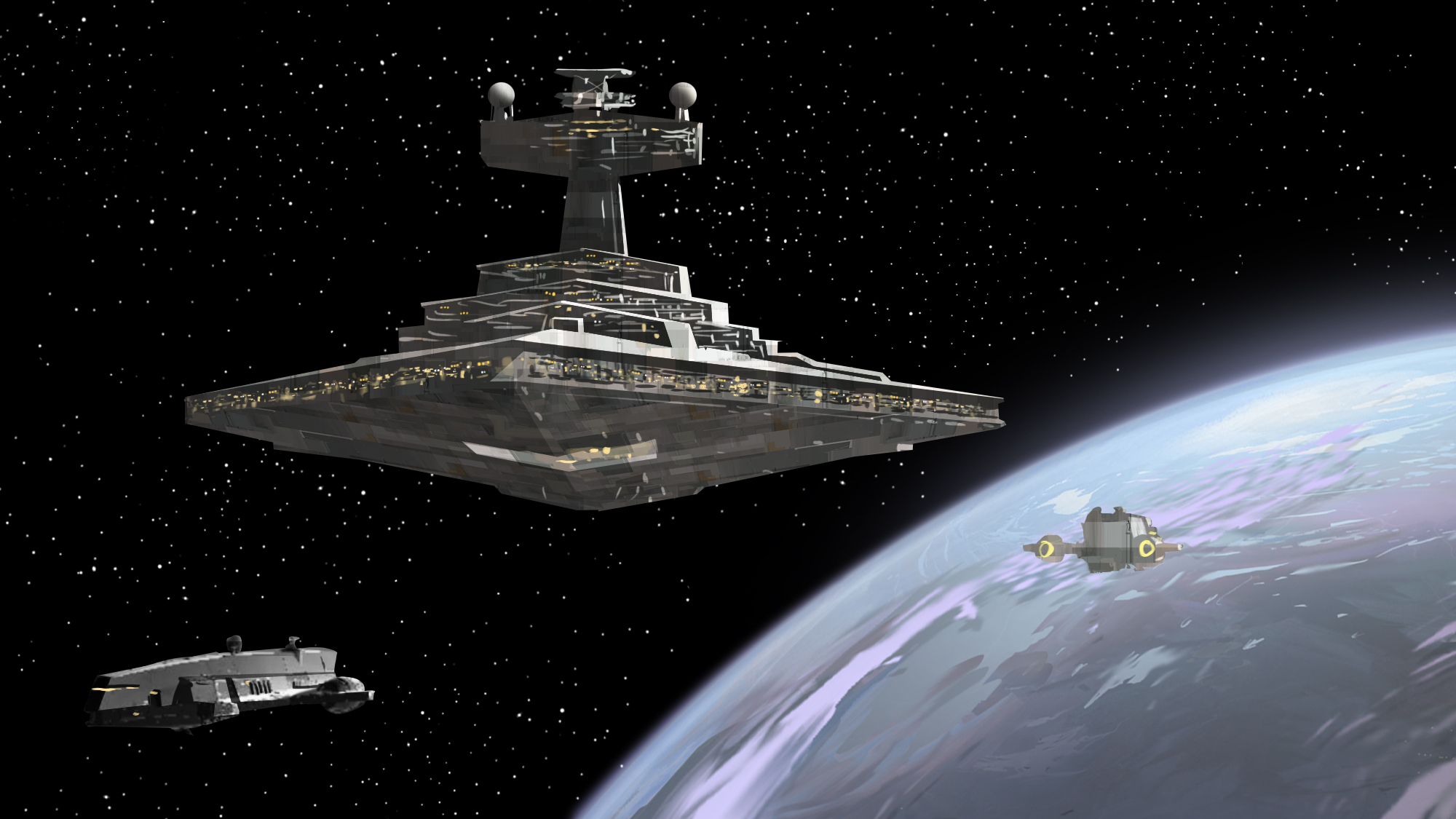

We are all awaiting the seventh Star Wars film, while already in the works are reboots of Spider Man, Jurassic World and Pirates of The Fucking Carribbean – world supplies of barnacles and green seaweed are already dangerously low. This is a trend that says something rather depressing about the human mind – that the warm glow of familiarity is more lucrative than the shock of the new. We would rather slip into the embrace of an old friend than discover the unfamiliar delights of a stranger.

Once the film industry embraced new ideas and audiences welcomed it. Innovation thrived in the early days of cinema; Fritz Lang never considered making Metropolis 2, there was no need for a Return to Casablanca – the originals were stand-alone artworks. But in an age where so many entertainment platforms exist, and profit is so unpredictable, sequels and prequels have become the nearest thing to a safe bet. And with the use of comic book-derived stories, where plausibility is irrelevant to the genre, maximising income from sequels is a no-brainer – literally!
This is not to suggest that sequels are always bad – Spider Man 2, The Empire Strikes Back and The Godfather Part 2 are examples often cited as sequels that genuinely improved on the original. In such cases you get a believable story arc over several films; and when originally devised by a novelist – i.e. J.R.R. Tolkein or J.K. Rowling – an extended film series can be a genuine delight.
It’s not necessarily a mass-market technique either, there have been some well-received arthouse sequels. Truffaut’s classic film about a troubled young boy, The 400 Blows was followed up three times with film updates on the main character’s life, while Richard Linklater’s Before Sunrise, about a chance meeting of two young travellers, became a trilogy.
But sometimes a film is somehow defined by its one-offness; and the news of a sequel has the sickly smell off greed about it.
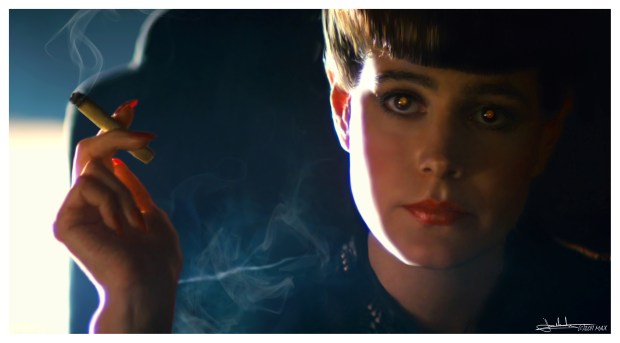
Next year sees the release of Blade Runner 2: The Edge of Human. Ridley Scott’s original film stands alone and magnificent, as an iconic…erm, icon in film culture. It’s greatest merit could be that whilst not needing to be re-heated it has inspired so many other films. The last thing it needs is an inferior little sibling hanging around its coat-tails, fucking up its legacy.
How could Scott possibly follow the original? He knows can’t, which is why he’s only co-writing it. Denis Villeneuve is directing. He’s not a well-known director, but then again, neither was Scott when he made the original. There’s every chance that he can make a perfectly watchable movie, if you forget about the classic that it’s supposed to be complementing.
I suppose the film might teach us all something valuable – replicants may eventually become a kind of sequel to the human race – but they will always be a bad imitation.


 Tom George
